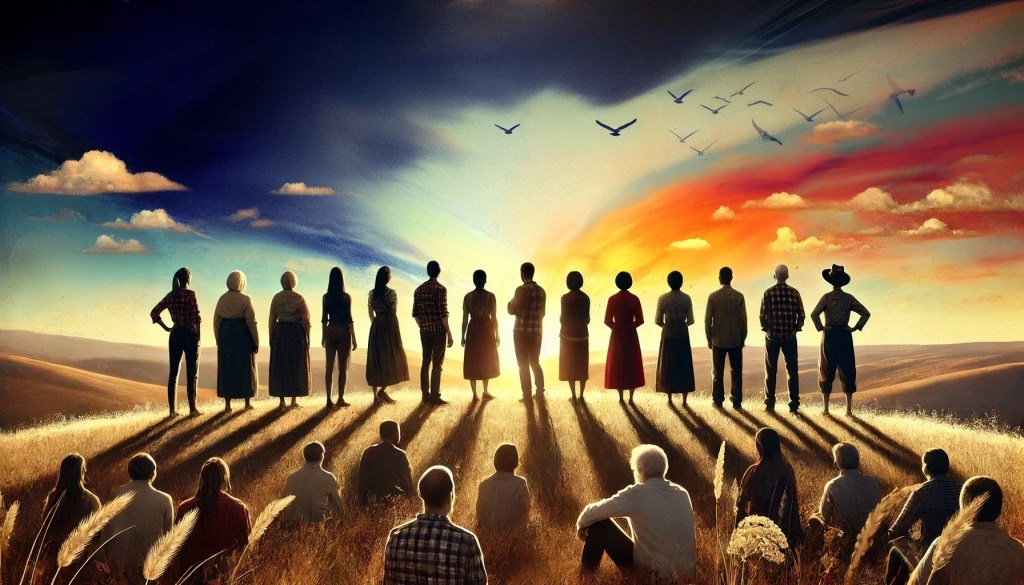
Traditions give us a sense of belonging. They anchor us in a shared past, help us celebrate milestones, and shape our identities. But not all traditions are harmless. History shows us that many practices once deemed normal have later been recognised as deeply unethical. From slavery to child labour, the list is sobering.
So, what are the traditions we embrace today that might one day be considered evil? Let’s dive into the practices that future generations might question—and perhaps condemn.
Fast Fashion: A Thread of Exploitation
Fast fashion is the perfect blend of affordability and style, but beneath the glossy surface lies a troubling reality. Many of the clothes we wear are produced by workers in sweatshops, toiling long hours for low wages under unsafe conditions. According to the International Labour Organization, over 170 million children are engaged in child labour, many in the garment industry. Meanwhile, the fast fashion industry is one of the largest polluters on the planet, accounting for 10% of global carbon emissions and 20% of wastewater. (Source: UNEP, 2019).
Imagine future generations reflecting on our obsession with cheap, trendy clothes. They might wonder: why did we prioritise convenience over human rights and the health of our planet?
Industrial Farming: Meat at a Moral Cost
Meat is a staple of many diets, but industrial farming—the primary source of our steaks and burgers—paints a grim picture. Billions of animals are raised in factory farms, often confined to tiny cages and treated as commodities rather than living beings. Reports from organisations like Compassion in World Farming reveal the extent of suffering: animals are denied natural behaviours, exposed to chronic stress, and slaughtered in inhumane ways.
The environmental toll is equally devastating. Livestock farming produces 14.5% of global greenhouse gas emissions (FAO, 2013). As plant-based diets and lab-grown meat become more accessible, our descendants may view factory farming as a horrifying chapter in human history.
Environmental Exploitation: A Disposable Planet
From single-use plastics to festivals that create mountains of waste, many of our cultural practices come at a steep environmental cost. For instance, balloon releases—a tradition used to commemorate events—often lead to the death of marine life, as animals mistake balloons for food. A study published in Scientific Reports found that ingestion of balloon debris is 32 times more likely to kill seabirds than hard plastics.
As the climate crisis worsens, the traditions we view as harmless today could become symbols of reckless indifference tomorrow. Future generations may hold us accountable for choosing convenience over conservation.
Workaholism: The Glorification of Exhaustion
Hustle culture has convinced us that working long hours and sacrificing personal well-being are badges of honour. Yet research consistently shows that overwork leads to burnout, poor mental health, and even physical illness. The World Health Organization classified burnout as an “occupational phenomenon” in 2019, linking it to chronic workplace stress.
Imagine a future where work-life balance is prioritised, and our current obsession with overworking is seen as a misguided tradition that harmed millions in pursuit of productivity.
Technological Surveillance: Trading Privacy for Convenience
Many of us casually accept the fact that our data is being tracked, from our online habits to our physical movements. Governments and corporations justify this as necessary for safety or convenience, but the cost is a world where privacy no longer exists. Edward Snowden’s revelations about mass surveillance have already sparked debates about how much intrusion is too much.
Future generations may marvel at how willingly we handed over our private lives, asking why we didn’t fight harder for the fundamental right to privacy.
Inequality: The Tradition of Silence
Despite global progress, systemic inequality remains deeply entrenched. From gender pay gaps to racial discrimination, many societies continue to accept glaring disparities as “just the way things are.” Reports from Oxfam International reveal that the world’s richest 1% hold more than twice the wealth of 6.9 billion people combined.
What will future generations think of our complacency? If history is any guide, they’ll likely condemn our failure to act with urgency in addressing inequality and injustice.
What History Teaches Us
Traditions are often rooted in their times. Public executions were once considered entertainment. Slavery was justified as economic necessity. Child labour powered the industrial revolution. All of these practices were seen as “normal” until society grew more enlightened.
As Mahatma Gandhi once said, “The true measure of any society can be found in how it treats its most vulnerable members.” The future will judge us by the standards we set today.
What Can We Do Now?
It’s not enough to question our traditions; we must take action. By prioritising sustainability, ethical consumerism, and human rights, we can create a legacy we’re proud to pass down. Traditions should evolve with the times, reflecting our growing understanding of morality and justice.
So, ask yourself: What parts of our culture do I accept without question? What can I do to ensure my choices contribute to a better future?
The philosophies of tomorrow begins with the questions we ask today.
 PublicHealthPros
Leave a comment