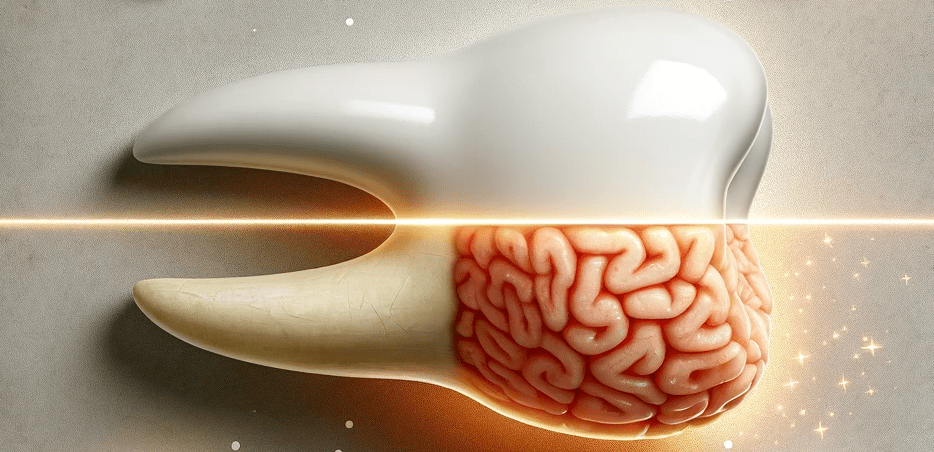
How many teeth have you lost already?
Did you know that taking care of your teeth helps your brain health?
It turns out, it might! Recent studies have unveiled a startling connection between dental hygiene and the risk of developing dementia, including Alzheimer’s disease. This link, while still being explored, suggests that what happens in your mouth doesn’t stay in your mouth – it could travel all the way to your brain!
The Two-Way Street Between Dental Health and Dementia
Surprisingly, the relationship between oral health and dementia is bidirectional. People with dementia often struggle with maintaining oral hygiene, making them more susceptible to dental diseases. But here’s the kicker: poor oral hygiene might be more than just a consequence of dementia; it could be a contributor! Increased mouth bacteria and gum disease can lead to inflammation, potentially boosting the risk of beta-amyloid plaques in the brain, a hallmark of dementia.
The Evidence Piles Up
Suboptimal oral health, characterised by conditions like gingivitis, dental caries (cavities), and tooth loss, is increasingly being linked to a heightened risk of cognitive decline and dementia. This correlation is especially pronounced in individuals in the advanced stages of dementia.
Moreover, disease affecting the structures around and supporting the teeth, dental caries, and a high number of missing teeth have been independently associated with a higher risk of dementia. On a brighter note, maintaining good oral hygiene through regular professional dental cleaning and frequent tooth brushing could help modify this risk.
The Gingivitis Connection
Gingivitis, commonly known as gum disease, is not just a threat to your oral health but also, potentially, to your memory. A study published in Science Advances in 2019 highlighted a possible connection between the bacteria causing gingivitis and Alzheimer’s disease. In addition, a 2020 study from the Journal of Alzheimer’s Disease supported this link, suggesting that older adults with gum disease are more likely to develop Alzheimer’s dementia or dementia in general.
What Can You Do?
- Prioritise Oral Hygiene: Regular brushing, flossing, mouthwash use and dental check-ups are more important than ever.
- Holistic Health Approach: Remember, your body is an interconnected system; taking care of one part benefits the whole. A balanced diet rich in vitamins and minerals, especially calcium and phosphorus, is vital for healthy teeth and gums. Foods like cheese, leafy greens, and almonds are great choices.
- Staying hydrated helps maintain saliva levels, which naturally cleanse the mouth and protect against tooth decay.
- Avoid tobacco products, as they contribute to gum disease and oral cancers. Chewing sugar-free gum after meals can also aid in increasing saliva flow, helping to neutralise and wash away acids produced by bacteria in your mouth.
- Stay Informed: Keep an eye on emerging research linking oral health and brain health.
In conclusion, the growing body of research points towards a significant connection between dental health and the risk of dementia. While further research is needed to fully understand this relationship, one thing is clear: taking care of your teeth is not just about flashing a bright smile or eliminating bad breath; it might be a key factor in maintaining your memory and cognitive health as you age.
Citations:
- Health News – “Can Poor Oral Health be the Cause of Dementia?” Link
- PubMed – “Evidence summary: the relationship between oral health and dementia” Link
- PubMed – “Association Between Dental Diseases and Oral Hygiene Care and Dementia” Link
- Harvard Health – “Good oral health may help protect against Alzheimer’s” Link
- National Institute on Aging – “Large Study Links Gum Disease with Dementia” Link
 PublicHealthPros
Leave a comment